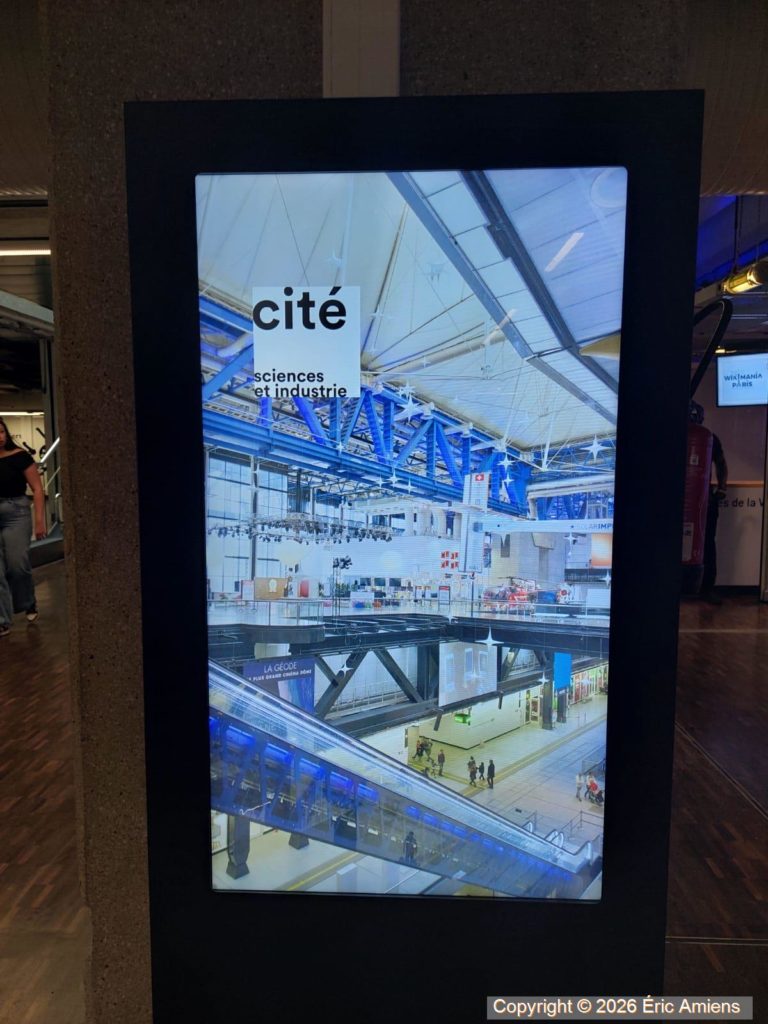
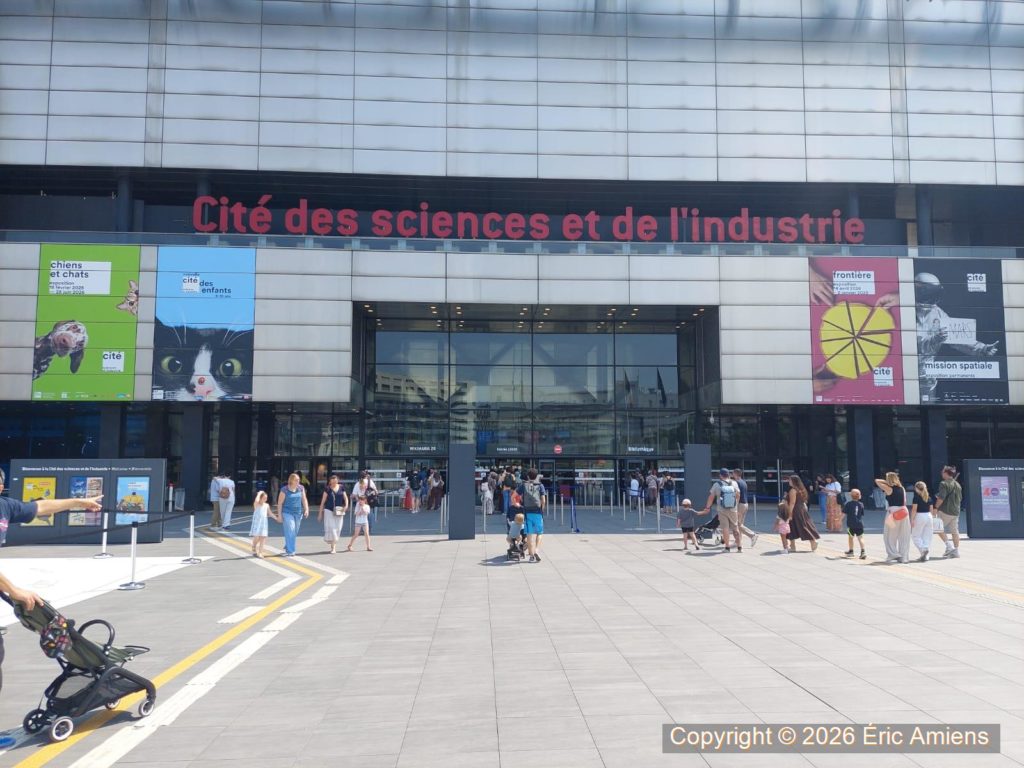
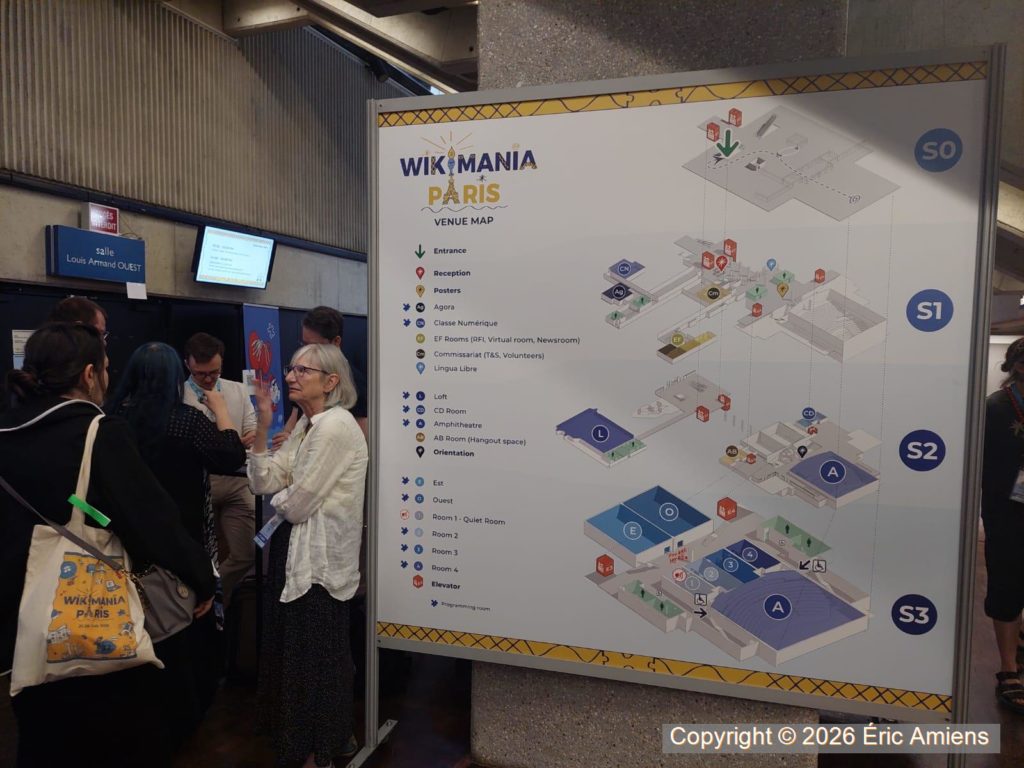
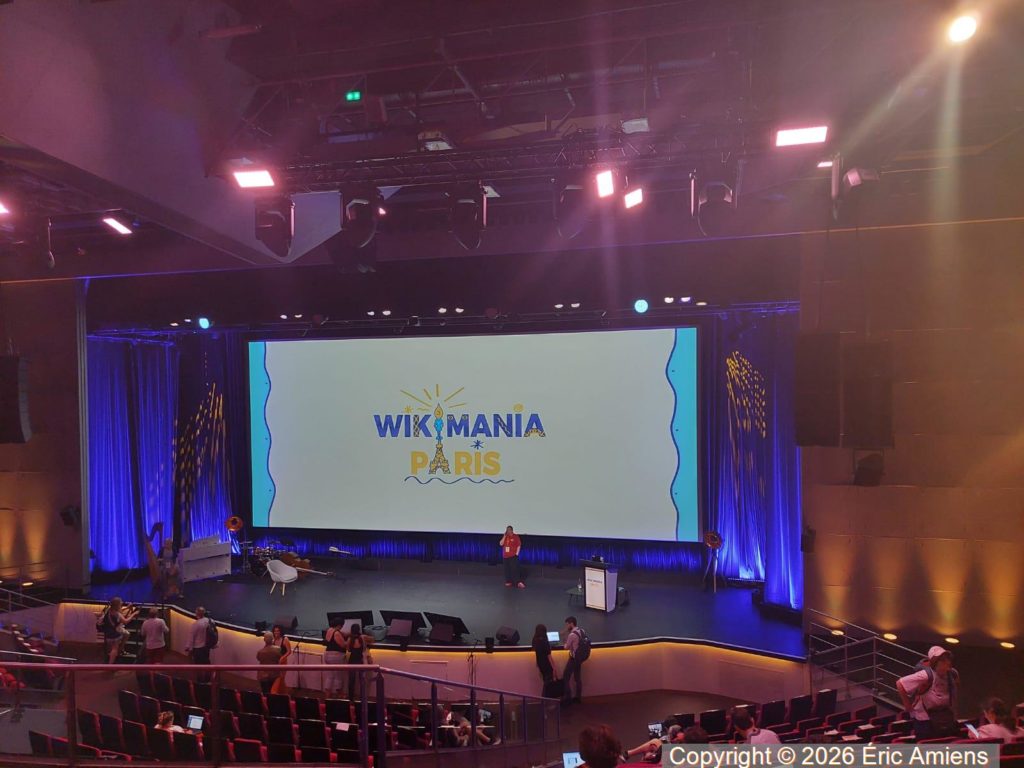
From July 21 to 25, 2026, Paris hosted the 21th annual international “Wikimania” conference for the first time, celebrating Wikipedia, the Wikimedia projects, and volunteer contributors. 1,200 participants from around the world gathered at la Cité des Sciences et de l’Industrie to discuss the future of free knowledge, reliable information, and the role of human collaboration in the era of artificial intelligence. During this event, organized in collaboration with UNESCO, Wikipedia also celebrated its 25 years of existence.
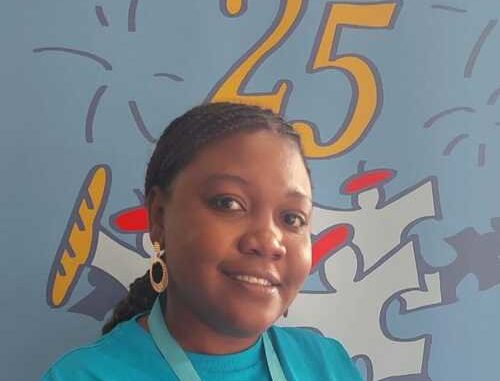
Kariculture met with Daana Sthernith Eldimé, a native of Haiti and member of Wikimedia France, who told it about her unwavering commitment to democratizing knowledge.
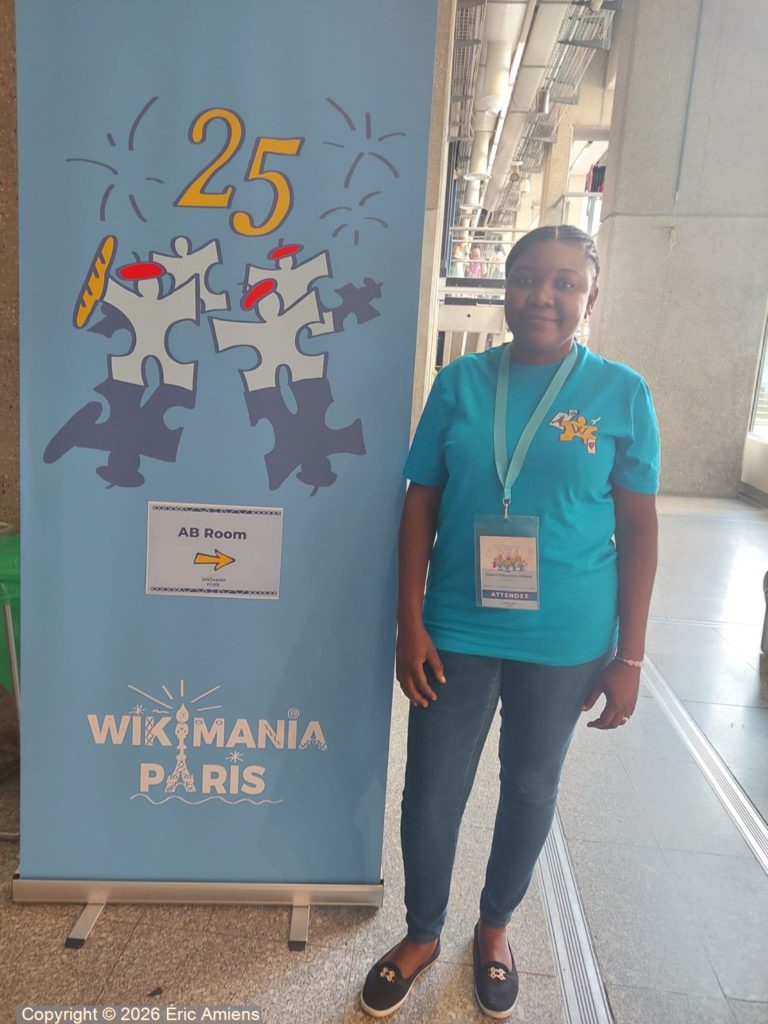
Kariculture.net: Daana, what does your participation in Wikimania 2026 in Paris mean to you?
Daana Sthernith Eldimé: Wikimania is the largest annual international conference celebrating Wikipedia, the Wikimedia projects, and the volunteers who make them possible.
This year, for the first time in France, from July 21 to 25, 1,200 participants from around the world gathered to discuss the future of free knowledge, reliable information, and the role of human collaboration in the age of artificial intelligence, focusing on three axes: Freedom, Equity, and Reliability.
Attending Wikimania 2026 in Paris was an exceptional opportunity to make diverse voices heard and renew my commitments within the Wikimedia movement.
I am a member of Wikimedia France, Sans pagEs, and the association Le deuxième texte (which operates on Wikisource), I also collaborate with Krepisaj, which shares the same values.
It was a strong moment to reaffirm that linguistic diversity and digital inclusion are at the heart of our movement’s future. This experience also made me realize how much more important my actions and collaborations in Haiti were than I had imagined.
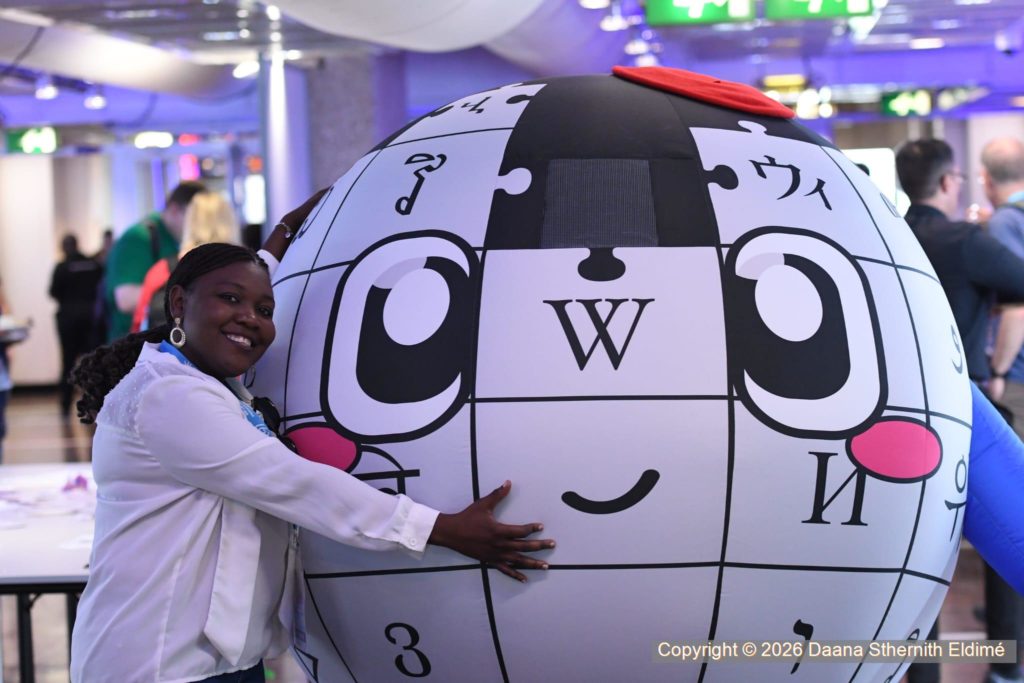
Kariculture.net: Why are you committed to free knowledge?
D. S. E.: My commitment to Wikipedia, Wikidata, Wikimedia Commons, and Wikisource projects is essential for sharing free knowledge. That’s why I’m involved with Sans pagEs to reduce the gender gap and with Wikisource to preserve heritage.
My commitment stems from a deep conviction: everyone should be able to access knowledge in their own language and contribute to collective history. In Haiti, we share this same vision of democratic and open access to culture, which is why I’ve been involved since 2020.
Kariculture.net: What Haitian projects did you present or highlight during the conference?
D. S. E.: I presented an innovative project for any new person who wants to become a contributor. With my group “Welcome Wiki”, I took part in the TeamChallenge focused on the theme “Welcoming Newcomers”. We brought innovative ideas to better support newcomers, especially on the technical side, by proposing simplified, more accessible, and easy-to-use tools.
This is a fundamental challenge to help the entire Wikimedia movement on Wikipedia and its sister projects grow their contributions with confidence.
Our project was recognized for this People’s Choice Award among the 20 projects presented at Wikimania 2026.
My team presented solutions for welcoming and retaining new contributors over the long term.
Kariculture.net: How did you feel when you found yourself next to Wikimedians from all continents?
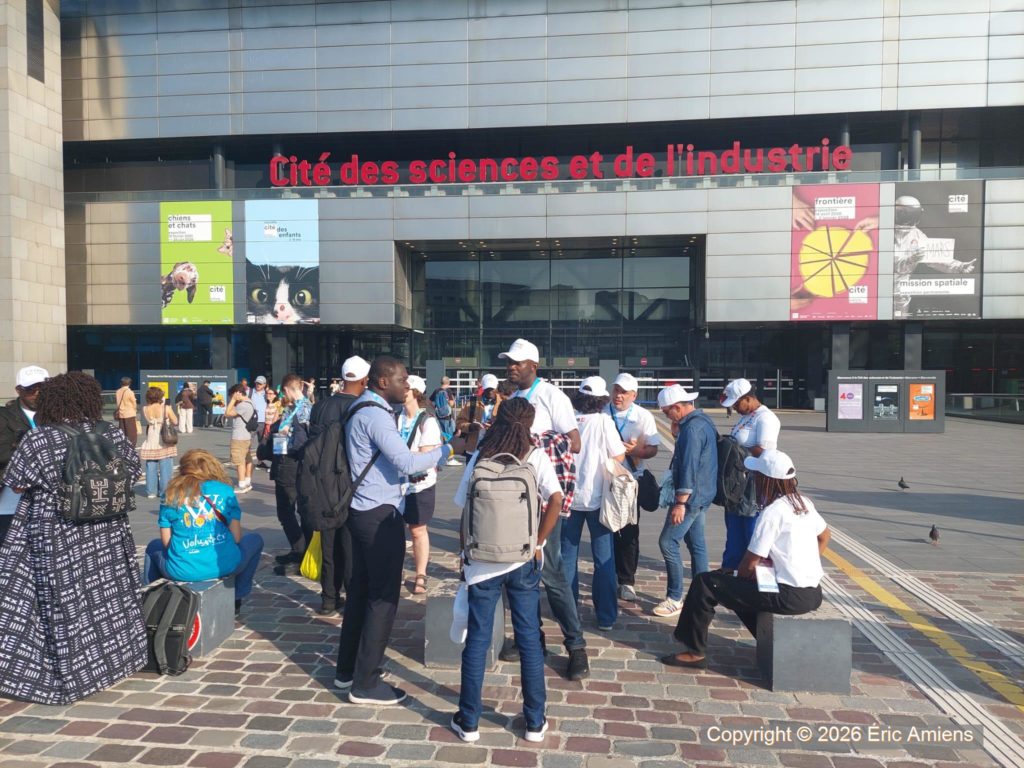
D. S. E.: Being among thousands of contributors from the four corners of the earth, speaking dozens of different languages but driven by the same passion for sharing knowledge, is deeply inspiring. It reminds us that, regardless of our local contexts, we are all part of one great human family.
Happy to have been selected to participate in this annual international event.
Kariculture.net: What do you note from the discussions during this meeting?
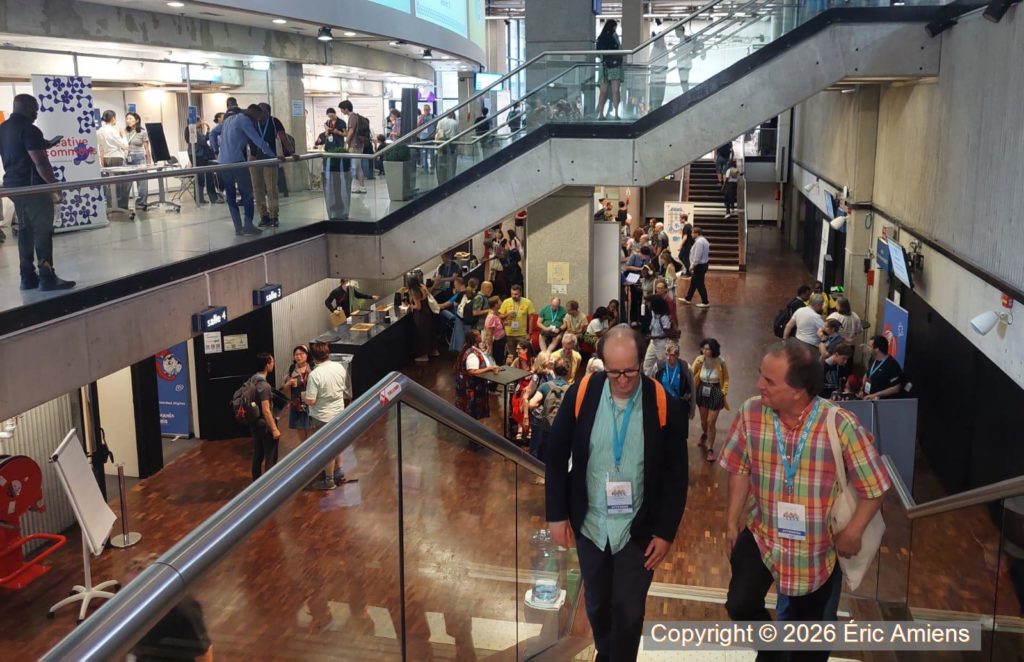
D. S. E.: There were over 200 sessions in several languages with translation, various topics such as climate change, pre-conferences to address the issue of women as subjects and contributors to Wiki, structure governance, and the influence of artificial intelligence.
I note a common desire to make the movement more inclusive and technologically adapted to real needs on the ground.
The discussions within my “Welcome Wiki” group have proved that by simplifying technical tools and humanizing the reception process, we remove major barriers for newcomers, whether they are in Haiti, France, or elsewhere.
Kariculture.net: What is the role of Wikipedia in Haitian Creole in the Wikimedia movement today?
D. S. E.: Haitian Creole is one of more than 300 languages already represented in the movement. This confirms linguistic sovereignty and the right of every Haitian to access knowledge in their native language, even if there is a lot of work to be done on Haitian Creole Wikipedia.
Kariculture.net: What memories will you keep of this celebration of Wikipedia’s 25th anniversary?
D. S. E.: Celebrating these 25 years in Paris, surrounded by passionate contributors, gave me momentum to continue building bridges between Wikimedia projects and the entire Haitian community.
During the event, I had the joy of winning an award for a project, as well as a second prize chosen at random among the volunteers.
I was also able to meet in person some contributors with whom I had collaborated remotely on articles. Moreover, I now have a better understanding of certain Wikimedia projects, and this experience greatly inspires me to organize, perhaps one day, an event of this magnitude in Haiti.